
Naila Karim★ Scout · Lv 6
todayHow McCourt makes you laugh through that much misery is a kind of miracle.
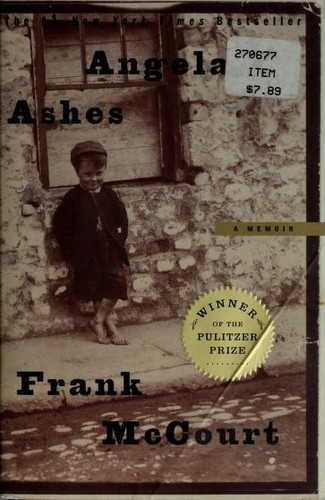
Worse than the ordinary miserable childhood is the miserable Irish childhood, and worse yet is the miserable Irish Catholic childhood.
Growing up starving in the lanes of Limerick, with a father who drinks the wages and a mother who begs for coal, a boy still finds a way to laugh, and to remember every detail.
McCourt's memoir recounts his impoverished Irish Catholic childhood, marked by hunger, death, and his father's alcoholism, told in a present-tense voice that fuses heartbreak with humor. It is a portrait of resilience, of how a child survives poverty and shame and still dreams his way toward America.
McCourt, a retired New York City schoolteacher, published his first book at age 66 in 1996. It won the 1997 Pulitzer Prize for Memoir/Biography, became a global bestseller, and was adapted into a 1999 film.
The memoir refuses to sentimentalize the hunger, illness, and death of the Limerick slums.
McCourt's comic timing turns misery into something bearable and even joyful to read.
His father's charm and alcoholism shape the family's ruin and the boy's longing.
The pull of a better life across the ocean gives the childhood its horizon and its hope.
The family loses baby twins and the infant Margaret to the conditions of the Limerick lanes, grief the memoir refuses to look away from.
As a teenager Frank saves his wages to buy a ticket, and the book ends as he sails into New York harbor at last.
How McCourt makes you laugh through that much misery is a kind of miracle.