Harper Ellison★ Sage · Lv 7
todayRead it in one night. The final chapters recontextualize everything — I went straight back to page one.
Remember, love that doesn't include honesty doesn't deserve to be called love.
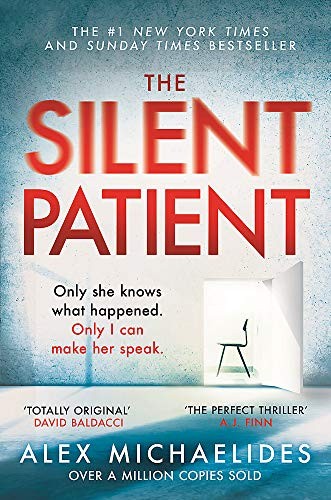
Alicia Berenson, a celebrated painter, shoots her husband five times in the face — then never speaks another word. Six years later, a psychotherapist talks his way into the secure unit that holds her, determined to make her talk. The final reveal is the kind readers immediately flip back to page one to verify.
A locked-room mystery where the locked room is a mind. Michaelides braids Theo's therapy notes with Alicia's recovered diary, plants a Greek tragedy (Euripides' Alcestis — the wife who dies and returns silent) at the center, and engineers a twist that plays fair: every clue is on the table, and almost every reader still misses it. It became the fastest-selling debut thriller of its decade for a reason.
Michaelides, a Cambridge-educated screenwriter raised in Cyprus, wrote it after studying psychotherapy and working part-time in a secure psychiatric unit for teenagers; the Alcestis parallel came from his lifelong obsession with Greek tragedy. Published in 2019, it spent over a year on bestseller lists and sold in fifty languages.
Alicia's muteness is the novel's central question — protest, guilt, trauma, or strategy? — and her paintings speak just enough to keep every theory alive.
Alicia's only communication is titling her post-murder self-portrait after a Greek heroine returned silent from death; the myth is the map, if you can read it.
Theo narrates like a detective, but the book quietly asks who therapy is really for — his obsession with saving Alicia has roots the reader is shown early and understands late.
The structural sleight-of-hand behind the twist — a masterclass in what a narrator can honestly say while completely misleading you.
Theo's sessions with the silent Alicia — entire chapters where one character never speaks — turn therapeutic technique into suspense: every blink and brushstroke is dialogue.
The diary strand: Alicia's last weeks before the murder, warm and frightened and watched — read once as victim's testimony, then again, after the reveal, as something else entirely.
Read it in one night. The final chapters recontextualize everything — I went straight back to page one.