Naila Karim★ Scout · Lv 6
todayI cried at the fox. If you know, you know.
How wild it was, to let it be.
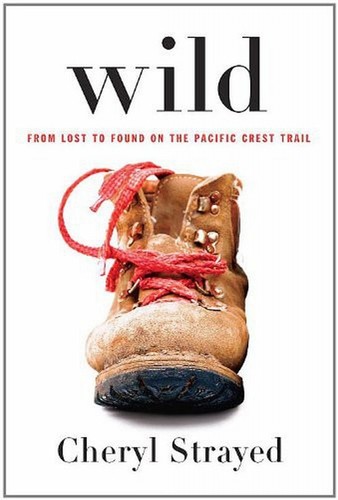
At twenty-six, reeling from her mother's death, a shattered marriage, and a spiral into heroin, Cheryl Strayed did something with no logical justification: she strapped on a wildly overloaded backpack she nicknamed 'Monster' and set out to hike more than a thousand miles of the Pacific Crest Trail alone, having barely hiked at all.
Strayed's memoir alternates between the brutal physical ordeal of the trail, ruined feet, thirst, fear, snow, and the emotional wreckage that drove her to it. As she walks from the Mojave Desert to Oregon, the wilderness becomes the crucible in which she confronts her grief and reassembles herself. It is a raw, unsentimental account of using hardship, deliberately, to find a way back to life.
Published in 2012, Cheryl Strayed's account of her real 1995 hike, undertaken in the aftermath of her mother's death from cancer when Strayed was twenty-two. It was chosen as the first pick of Oprah's revived book club, became a number-one bestseller, and was adapted into a 2014 film starring Reese Witherspoon.
The physical suffering of the hike externalizes and finally metabolizes Strayed's inner grief.
Her absurdly overloaded pack becomes a comic and literal emblem of the burdens she is carrying.
The flashbacks to her mother's death, her divorce, and her drug use give the walk its stakes.
Strayed is candid about the particular fears and freedoms of a woman hiking alone.
Her first morning on the trail, she can barely lift the monstrous pack and has to sit down and strap into it on the floor of her motel room, a scene both funny and daunting.
The moment she loses a hiking boot over a cliffside and, in furious grief, hurls the second one after it, is a small, unforgettable act of letting go.
I cried at the fox. If you know, you know.