The BookTok effect: how a phone app re-sorted the bestseller lists
Harper Ellison · 6 min read
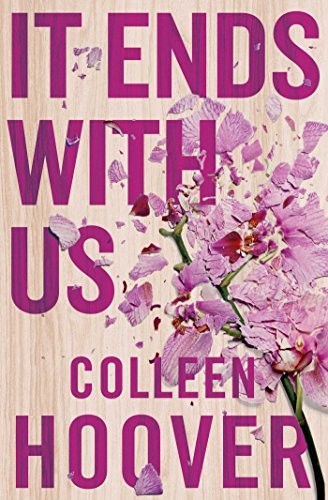
Publishing spent a century assuming a book's sales curve looked like a wave: launch, peak, long slide. Then TikTok's reading corner broke the model. It Ends with Us came out in 2016 to solid, unremarkable sales — and became the best-selling novel in America five years later, on the strength of thirty-second videos of people crying.
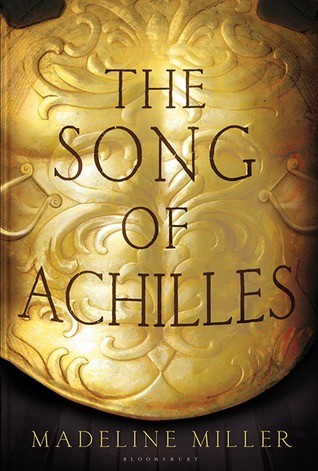
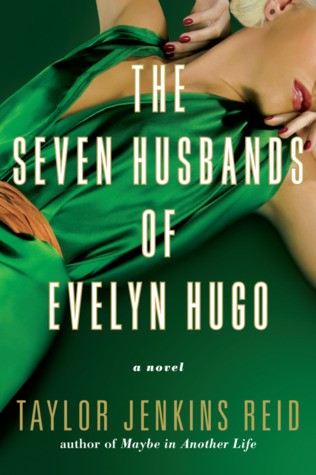
The pattern repeated until it became the industry. The Seven Husbands of Evelyn Hugo, published quietly in 2017, sold its millions on a delay. The Song of Achilles won the Orange Prize in 2012 and hit its commercial peak a decade later — Madeline Miller's Trojan heartbreak resold to a generation that wasn't reading when it launched. Backlist, publishing's sleepy inventory, became the front line.
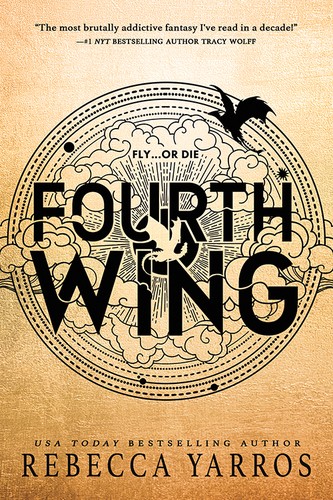
What BookTok rewards is emotional legibility: books that make readers feel something visible enough to film. Hence the crying videos, the annotated pages, the tabs. Fourth Wing was the first mega-hit engineered in that climate — dragons, banter, cliffhanger chapters — and it broke first-day records that traditional marketing hadn't touched in years.
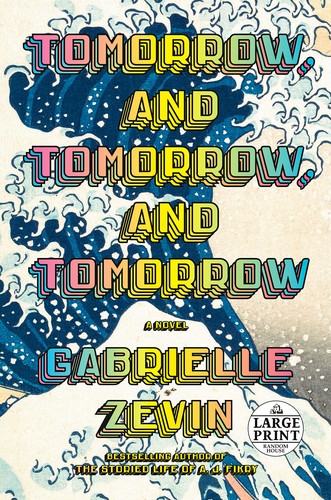
You can be snobbish about this or you can notice what actually happened: millions of people, many of them lapsed readers, rebuilt a daily reading habit because an algorithm showed them someone weeping over a paperback. The gatekeepers changed; the gate stayed open. And the books that thrive — Evelyn Hugo's ambition, Achilles' grief, Zevin's thirty-year friendship — are mostly the ones that were always going to survive contact with real feeling.