Miles Ovadia★ Curator · Lv 5
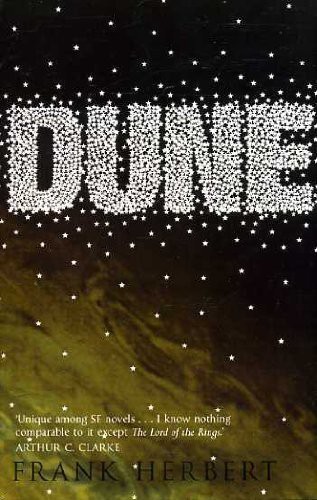
todayDense for fifty pages, then suddenly you're living on Arrakis.
Fear is the mind-killer. Fear is the little-death that brings total obliteration.
A desert planet where water is currency, giant worms swim beneath the sand, and the spice that makes space travel possible makes its harvesters psychic. Into it walks Paul Atreides, fifteen, heir to a doomed house — and possibly the messiah several religions have been engineering for millennia.
The best-selling science-fiction novel ever is secretly a warning about the thing it seems to celebrate: Herbert built the ultimate chosen-one story to show why you should fear chosen ones. Ecology, religion, politics, and economics interlock — control the spice and you control the universe; control the myth and you control the people — while Paul watches his own legend become a jihad he can no longer stop.
Herbert spent six years researching after a 1957 magazine assignment about Oregon's moving sand dunes; the manuscript was rejected by more than twenty publishers before Chilton — a company known for auto-repair manuals — took it in 1965. It won the first Nebula Award, shared the Hugo, and seeded a six-book meditation on power that Herbert wrote until his death.
Arrakis is the first great environmental system in fiction — worms, spice, and water discipline form a closed loop that shapes religion, economy, and war.
The Bene Gesserit seed prophecies on backwater planets as survival insurance — Herbert showing you, step by step, how a religion gets engineered and then escapes its engineers.
The litany against fear and the Bene Gesserit disciplines made Dune the genre's most quoted training manual for self-command.
Paul's prescience shows him the holy war his victory will unleash — the series' true subject: what happens after the hero wins.
The gom jabbar test: a box of pain, a poisoned needle, and one question — is Paul human enough to override instinct? The opening scene announces that this book's action is mostly willpower.
Paul's first ride on a sandworm — summoning a half-kilometer monster with a thumper and mounting it with hooks — remains one of the genre's great set pieces, equal parts coronation and point of no return.
Dense for fifty pages, then suddenly you're living on Arrakis.