
Theo Bennett★ Reader · Lv 2
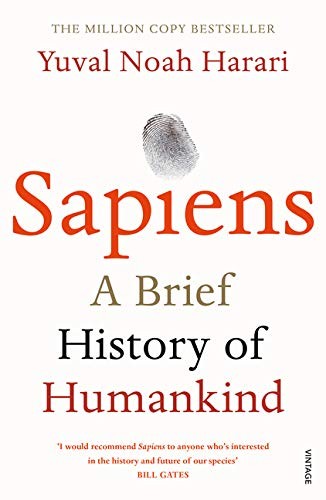
todayNot as tight as Sapiens but the questions haunt you for weeks.
History began when humans invented gods, and will end when humans become gods.
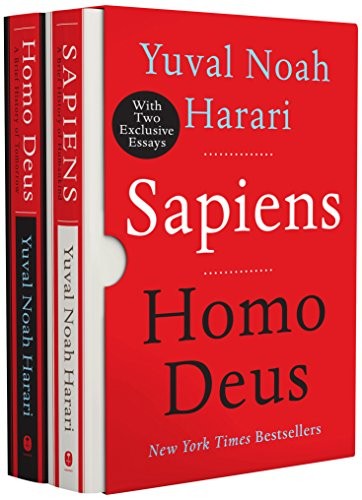
Humanity has largely beaten famine, plague, and war, the scourges that defined our history. So what will we chase next? Harari argues we will reach for divinity itself: immortality, engineered happiness, and godlike power over life.
In this sequel to Sapiens, Harari asks what happens to humankind once our oldest problems are solved and we turn our new powers on ourselves. He warns that the twin forces of biotechnology and artificial intelligence could dissolve liberalism, individuality, and the very idea of human specialness in the coming century.
Yuval Noah Harari published Homo Deus in Hebrew in 2015 and in English in 2016, following the global success of Sapiens. It became an international bestseller, translated into dozens of languages, and cemented Harari's role as a widely read public intellectual on technology and the future.
You gain a framework for how the pursuit of immortality, bliss, and divinity may replace our defeated ancient enemies.
Harari names an emerging worldview that values the free flow of information above the individual, and asks what it costs us.
As algorithms know us better than we know ourselves, the belief in free individual choice may quietly collapse.
A key takeaway is that AI can decouple intelligence from awareness, making humans economically and militarily redundant.
Harari's discussion of how algorithms already recommend our films, partners, and medical choices, illustrating the drift of authority from humans to data.
His analysis of the sugar-and-famine reversal, noting that in 2010 obesity-related conditions killed far more people than famine and violence combined.
Not as tight as Sapiens but the questions haunt you for weeks.