Miles Ovadia★ Curator · Lv 5
todayEveryone should read this. It changed how I think about justice in America.
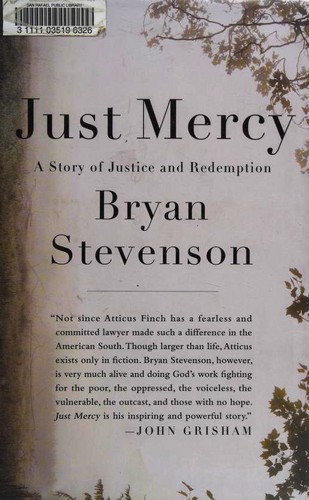
Each of us is more than the worst thing we've ever done.
A young lawyer opens a legal practice for the condemned in Alabama and takes on the case of Walter McMillian, a black man sentenced to die for a murder he did not commit. What follows is a fight against a system built to resist the truth.
Bryan Stevenson's memoir of founding the Equal Justice Initiative is an argument that the American justice system treats you better if you are rich and guilty than if you are poor and innocent. Through the McMillian case and others, it makes a moral case that mercy, not just law, is what a just society requires.
Bryan Stevenson published Just Mercy in 2014; it won the Carnegie Medal for Nonfiction and the NAACP Image Award and spent years on bestseller lists. It draws on his decades leading the Equal Justice Initiative and was adapted into a 2019 film starring Michael B. Jordan.
The book's central conviction is that no person should be reduced to their single worst act, a principle it applies even to the guilty.
You learn how money and race, more than guilt or innocence, shape who is condemned in America.
Stevenson argues that we understand injustice only by getting close to those who suffer it, a takeaway for any reader.
The book builds a case that a system fixated on punishment loses the humanity that makes justice possible.
The wrongful conviction of Walter McMillian on the testimony of a coerced informant, and his eventual exoneration and release from death row.
The case of Charlie, a traumatized fourteen-year-old tried as an adult, whom Stevenson uses to indict the sentencing of children.
Everyone should read this. It changed how I think about justice in America.