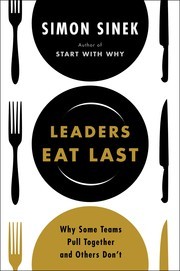
Leaders Eat Last
by Simon Sinek
The true price of leadership is the willingness to place the needs of others above your own.
Why read it
In the Marine Corps, the most junior members eat first and the officers eat last, a small ritual that says everything about what leadership is supposed to mean. Simon Sinek asks why so few organizations in the civilian world work that way, and what it costs them.
Drawing on biology and real workplaces, Sinek argues that great leaders create a 'circle of safety' in which people feel protected, releasing the brain chemistry of trust and cooperation rather than the chronic stress of self-preservation. When leaders sacrifice for their people, the people give loyalty and effort in return. It is a call to reframe leadership as service, not status.
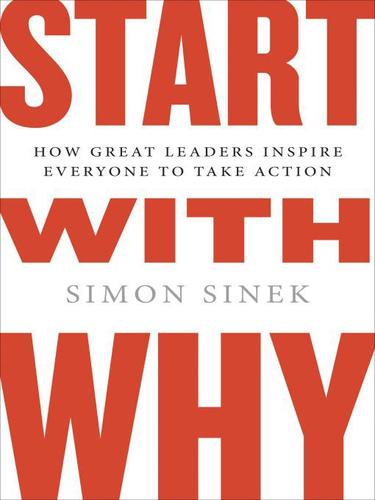
Simon Sinek, known for his TED talk and the book Start With Why, published Leaders Eat Last in 2014. It became a bestseller and a staple of corporate leadership programs. The book's title and framing were inspired by a conversation with a Marine Corps general about how the military thinks about caring for its people.
- 01
The circle of safety
The takeaway is that leaders' first job is to make people feel safe, so energy goes to the work, not to internal threats.
- 02
Chemistry of trust
Endorphins, dopamine, serotonin, and oxytocin explain why belonging and cooperation feel good and pay off.
- 03
Leadership as sacrifice
Real authority is earned by putting others first, especially when it costs the leader something.
- 04
People over numbers
Treating employees as family rather than headcount builds resilience that quarterly thinking destroys.
The Marine Corps custom, where the most senior members eat last, held up as the essence of leadership as service.
Bob Chapman transforming the manufacturer Barry-Wehmiller by treating factory workers with the trust and care of family instead of cutting them as costs.