Dana Reyes★ Contributor · Lv 4
todayI keep it on my desk. Two pages before hard meetings works better than coffee.
You have power over your mind — not outside events. Realize this, and you will find strength.
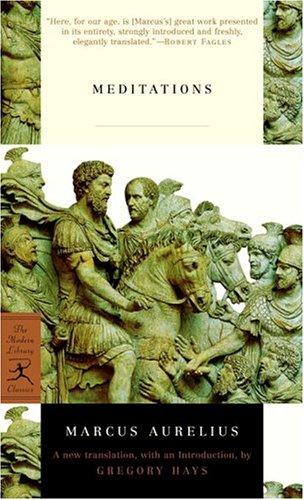
The most powerful man on earth kept a private notebook reminding himself to get out of bed, forgive idiots, and remember he would die — never meant for publication, never even titled. Two thousand years later, CEOs, soldiers, and prisoners read a Roman emperor's self-talk as the most practical philosophy ever written.
Marcus Aurelius ruled through plague, flood, betrayal, and endless frontier war, and the Meditations are his maintenance log: Stoicism applied nightly to an actual life. The core moves repeat because he needed them repeated — you control judgments, not events; the obstacle is material for virtue; anger harms the angry; you could leave life right now, so act accordingly. It isn't a treatise; it's watching a man talk himself into being good when he had absolute license not to be.
Written in Greek, mostly in camp on the Danube during the Marcomannic Wars (170s AD), addressed 'to himself' — the manuscript's actual title. Marcus was the 'philosopher king' Plato speculated about, ruling 161–180 through the Antonine plague that killed millions, a co-emperor's death, and a trusted general's revolt (he wept, and planned to pardon him). The notebook survived by luck and hand-copying; it has never since been out of readers' pockets.
'Life is opinion' — events are neutral until the mind labels them. Book-by-book, Marcus practices retracting the label: the pain is in the story, and the story is yours to edit.
What impedes action advances another action; fire uses what's thrown on it. The single most borrowed idea in modern Stoicism, from a man whose obstacles were plagues and armies.
'You could leave life right now' isn't morbid — it's his prioritization filter: what deserves this hour, given that fact?
The famous dawn passage — today you'll meet the meddling, the ungrateful, the arrogant — is a rehearsal ritual: their ignorance can't touch your character, and you share a nature with them anyway.
Book 1 is pure gratitude accounting: seventeen entries crediting specific people for specific virtues — from his grandfather's temper to his adoptive father's work ethic. The emperor begins his private philosophy by itemizing his debts.
He writes of the tide of change carrying away Alexander the Great and his mule-driver alike — the emperor filing himself, and his whole empire, under 'temporary' as a spiritual exercise.
I keep it on my desk. Two pages before hard meetings works better than coffee.