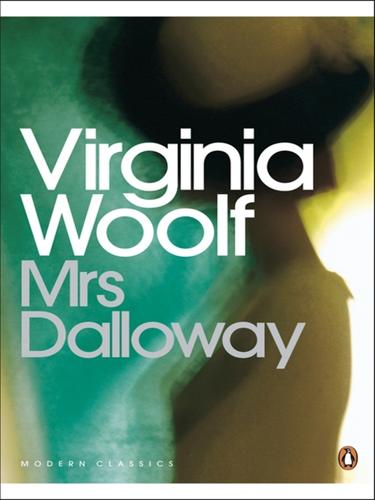
Mrs Dalloway
Mrs. Dalloway said she would buy the flowers herself.
Why read it
A woman plans a party while all of London hums around her, and across a single June day the ordinary hours open into whole lifetimes of memory, regret, and longing.
Woolf compresses one day in the life of Clarissa Dalloway, and of a shell-shocked veteran she never meets, into a study of how the mind moves through time. The novel dissolves the boundary between the trivial and the profound, finding an entire consciousness inside the errands of a single morning.
Published in 1925, the novel grew out of two short stories and Woolf's ambition to give the modern novel a new shape. She wrote in her diary of wanting to show 'life and death, sanity and insanity,' and paired Clarissa with the traumatized Septimus Smith as mirror figures.
- 01
A day as a lifetime
The single-day structure shows how the present is saturated with the whole past.
- 02
Interior consciousness
The narrative flows between minds, capturing thought as it actually feels from inside.
- 03
The cost of war
Septimus's shell shock indicts a society that cannot see its own wounded.
- 04
Roads not taken
Clarissa's memories of Peter and Sally weigh the life she chose against the ones she refused.
Clarissa opens the novel by deciding to buy the flowers herself, stepping into a London morning that unfolds an entire inner history.
Septimus Smith, hallucinating and hounded by his doctors, throws himself from a window, and news of his death reaches Clarissa at her party.