Harper Ellison★ Sage · Lv 7
todayIt creeps up on you, then breaks your heart so quietly you don't notice until it's done.
Memories, even your most precious ones, fade surprisingly quickly.
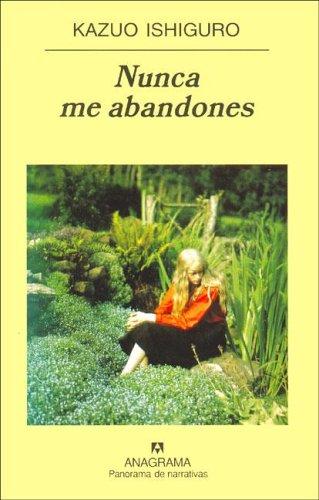
Kathy, Ruth, and Tommy grow up at Hailsham, a sheltered English boarding school where the teachers guard a secret about why these children exist at all. By the time they understand it, the tenderness of their friendship has already become unbearable.
In a quietly altered England, a class of human clones is raised to donate their organs until they die young. Ishiguro uses this premise not for thrills but to ask what makes a life meaningful when its end is fixed, and how memory, art, and love become the only things that are truly ours.
Kazuo Ishiguro published Never Let Me Go in 2005; it was shortlisted for the Booker Prize and named one of Time's 100 best English-language novels. It was adapted into a 2010 film and helped cement the case for the Nobel Prize in Literature that Ishiguro received in 2017.
Kathy narrates from adulthood, and what awaits is a portrait of how the mind edits the past to make an unbearable truth livable.
The children's drawings and the mysterious Gallery raise the question the whole book turns on: whether creativity can prove that a person deserves to be spared.
Watch how the characters barely resist their fate, a passivity that becomes the novel's most haunting and provocative choice.
Tommy and Kathy chase a rumor that true love can buy time, and what awaits is the quiet collapse of that last hope.
Tommy's furious, howling breakdown in the field at night, the only moment the characters let their rage at their fate fully escape.
Kathy and Tommy's visit to Madame and Miss Emily, where they finally learn the truth about Hailsham, the Gallery, and why there is no deferral.
It creeps up on you, then breaks your heart so quietly you don't notice until it's done.