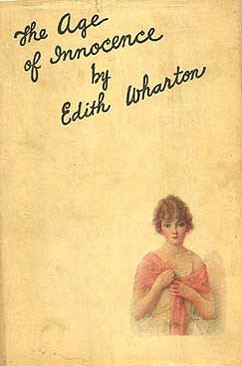
The Age of Innocence
Each time you happen to me all over again.
Why read it
In Gilded Age New York, a young lawyer is engaged to the perfect society bride when her scandal-shadowed cousin returns from Europe and unsettles everything he thought he wanted.
Wharton anatomizes the invisible machinery of Old New York, a world where an unspoken code governs every gesture and where doing the correct thing can quietly destroy a life. Through Newland Archer's love for the unconventional Countess Olenska, she asks what freedom costs and whether renunciation can itself be a kind of choice.
Wharton wrote the novel in 1920, looking back with irony and tenderness on the vanished New York of her youth in the 1870s. It won the 1921 Pulitzer Prize for Fiction, making Wharton the first woman to receive the award.
- 01
The tyranny of custom
What awaits is a portrait of a society that enforces its rules not through law but through collective silence and the fear of being talked about.
- 02
Passion versus duty
Archer's pull toward Ellen collides with everything he was raised to honor, and the tension never resolves cleanly.
- 03
The cost of renunciation
The novel weighs whether giving up desire is weakness, cowardice, or a strange form of loyalty.
- 04
A world seen too late
The final chapter reframes the entire story, revealing how much the characters understood and chose not to say.
The opera-house opening, where all of society watches May and Ellen through opera glasses and every seating choice is a public verdict.
The closing scene in Paris, when the older Archer sits on a bench outside Ellen's apartment and decides not to go up.