Theo Bennett★ Reader · Lv 2
todayI knew who died on page one and still couldn't stop reading. Tartt is a magician.
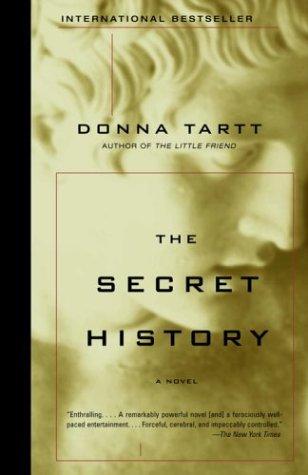
by Donna Tartt
Beauty is terror. Whatever we call beautiful, we quiver before it.
A cloistered group of classics students at an elite Vermont college pursue beauty so intensely that they lose their grip on morality, and one of them ends up dead. The novel tells you who dies on the first page, then makes you understand why.
Narrated by an outsider who is desperate to belong, The Secret History is an inverted murder mystery about a charismatic professor, a doomed circle of aesthetes, and the seductive idea that some people are above ordinary rules. Tartt dissects how elitism, guilt, and the worship of beauty curdle into catastrophe.
Donna Tartt's debut was published in 1992 after nearly a decade of writing, championed by her Bennington classmate Bret Easton Ellis. It became a surprise bestseller and a defining text of the dark-academia genre, selling millions of copies worldwide.
The death is revealed immediately, so what awaits is the mounting dread of watching how, and why, brilliant young people arrive at murder.
Julian's teaching that beauty is terror seduces the students into believing aesthetic experience can justify anything, including cruelty.
Richard's need to belong makes him complicit, and what awaits is a study of how longing blinds us to the rot around us.
After the deed, watch the group unravel from within as conscience does what no detective could.
The bacchanal in the woods, recounted after the fact, in which the students attempt to recreate a Dionysian rite with a fatal outcome.
The killing of Bunny at the ravine, staged with chilling calm by the friends who can no longer trust him to keep their secret.
I knew who died on page one and still couldn't stop reading. Tartt is a magician.