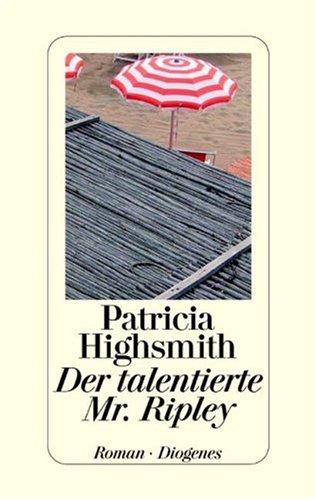
The Talented Mr. Ripley
He hated becoming Thomas Ripley again, hated being nobody, hated putting on his old set of habits again.
Why read it
A charming young con man scraping by in New York is offered a strange errand: sail to Italy and persuade a wealthy man's wayward son to come home. But Tom Ripley falls in love, not with the young heir, but with his golden, moneyed life, and he decides he would rather become him.
Tom insinuates himself into Dickie Greenleaf's sun-drenched Italian idyll until his desire to possess that life curdles into something far more dangerous, forcing him into an escalating masquerade one step ahead of suspicion. Highsmith puts the reader unnervingly inside the mind of a killer we half want to succeed. It is the coolly amoral thriller that launched one of crime fiction's most seductive antiheroes.
Patricia Highsmith published The Talented Mr. Ripley in 1955; it received an Edgar Award nomination and won France's Grand Prix de Litterature Policiere. It became the first of five 'Ripliad' novels and has been adapted repeatedly, most famously in the 1999 film. Highsmith was fascinated by guilt and the appeal of the amoral, and Ripley became her signature creation.
- 01
Sympathy for the killer
Highsmith's genius is making you root for a murderer, implicating the reader in his cool logic.
- 02
Identity as performance
Tom's ease at becoming someone else suggests the self is a role that can be stolen and worn.
- 03
Envy as engine
What awaits is desire for another's life curdling into obsession, then crime.
- 04
Suspense without a detective hero
The tension comes from watching Tom cover his tracks, inverting the usual mystery.
Tom taking Dickie out on a small boat off San Remo, where an ordinary outing turns suddenly and irreversibly lethal.
Tom impersonating Dickie in Rome, practicing his voice and signature and coolly forging his checks.