Five books that changed how we think about medicine and the body
The Bookyol Editors · 6 min read
Some medical books stay in the clinic. These five escaped it, and changed how the rest of us think about our own bodies and their endings.
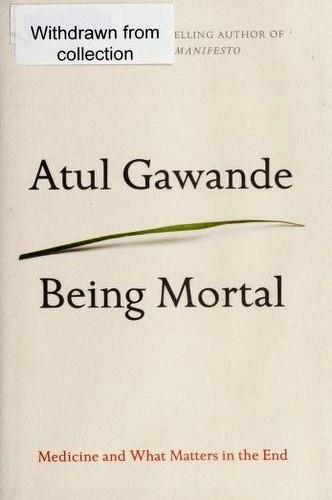
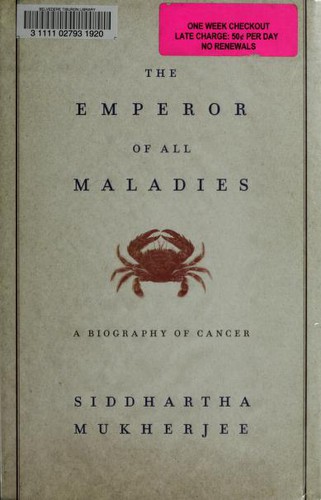
Atul Gawande's Being Mortal did something rare: it changed practice. By asking what people actually want at the end of life — not just more time, but a life worth living — it reshaped how doctors and families have the hardest conversation. Siddhartha Mukherjee's The Emperor of All Maladies wrote a 'biography' of cancer, tracing the disease from ancient Egypt to the modern lab, and won the Pulitzer for making that history gripping.
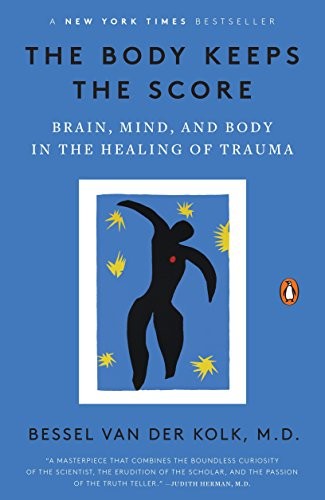
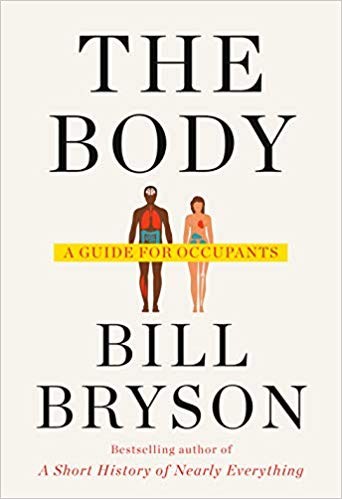
Bill Bryson's The Body: A Guide for Occupants takes the opposite tack — a joyful, room-by-room tour of the miracle you're currently living inside, full of the strange facts that make biology delightful. Bessel van der Kolk's The Body Keeps the Score revealed how trauma physically reshapes the brain and body, and why healing has to include both.
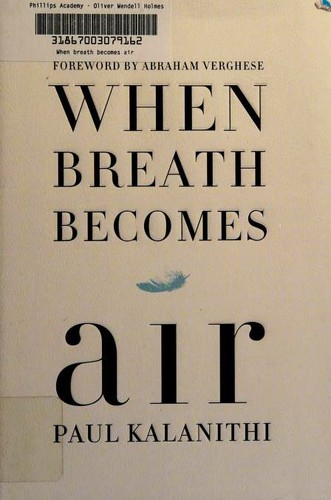
And Paul Kalanithi's When Breath Becomes Air, written by a neurosurgeon dying of cancer, closes the set with the question all the others circle: what makes a life, of any length, worth living? Together they turn medicine from something done to us into something we can understand.