
Dana Reyes★ Contributor · Lv 4
todayEveryone with aging parents should read this. It changed our conversations.
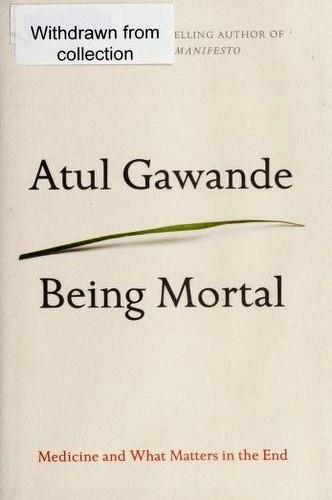
by Atul Gawande
Our ultimate goal, after all, is not a good death but a good life to the very end.
A surgeon realizes that for all his training in saving lives, no one ever taught him how to help patients face the end of one. Modern medicine is superb at fighting death and strikingly bad at everything that matters when the fight can no longer be won.
Gawande argues that medicine too often trades a person's remaining quality of life for a few more weeks of treatment, and that we would serve the dying far better by asking what they actually want from the time they have left. Through patients, nursing homes, hospice, and his own father's death, he reframes the goal of care. It is a humane rethinking of aging, autonomy, and dying well.
Atul Gawande, a practicing surgeon and staff writer at The New Yorker, published Being Mortal in 2014. It became an international bestseller, was named among the year's best books by numerous outlets, and was adapted into a PBS Frontline documentary. It has been credited with shifting public conversation about hospice and palliative care.
The key takeaway is to find out a patient's real priorities, then let those, not defaults, guide treatment.
Elder care that maximizes safety often strips away the reasons a life feels worth living.
More treatment is not always better; knowing when to stop is its own form of care.
Gawande models the difficult talks that let people shape their final chapter with dignity.
Bill Thomas introducing dogs, cats, and hundreds of plants into a struggling nursing home, and watching residents' need for medication and their will to live transform.
Gawande's account of his own father's decline from a spinal tumor, and the family's wrenching choices about surgery, treatment, and hospice.
Everyone with aging parents should read this. It changed our conversations.