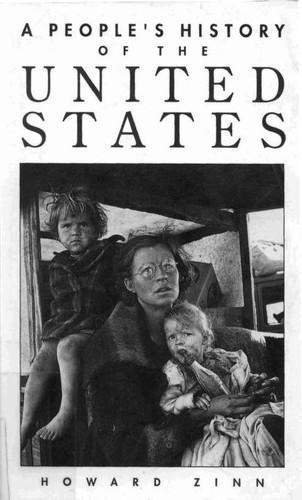
A People's History of the United States
by Howard Zinn
The cry of the poor is not always just, but if you don't listen to it, you will never know what justice is.
Why read it
What if American history were told not from the deck of Columbus's ship or the halls of Congress, but from the perspective of the enslaved, the conquered, the striking worker, and the ordinary people usually left out?
Zinn retells the entire sweep of American history from the bottom up, centering Native Americans, slaves, women, laborers, and dissenters rather than presidents and generals. It is a deliberately provocative counter-narrative that challenges the triumphalist story most readers were taught in school.
First published in 1980, it has sold more than two million copies and been revised through multiple editions. It became a staple of high school and college classrooms and one of the most influential, and contested, works of American popular history.
- 01
History from below
The takeaway is a deliberate shift of focus from rulers to the ruled, the workers, the enslaved, the resisters.
- 02
Columbus reconsidered
The opening chapter reframes conquest and colonization from the viewpoint of the conquered.
- 03
Struggle as the engine
Zinn casts strikes, rebellions, and movements as the true drivers of change.
- 04
History as argument
The book insists no history is neutral and openly declares whose side it takes.
The reframing of Columbus's arrival through the suffering of the Arawak people he enslaved.
The account of the Ludlow Massacre and the labor struggles largely omitted from standard textbooks.