
Naila Karim★ Scout · Lv 6
todayI sobbed. Hosseini writes women's endurance like no one else.
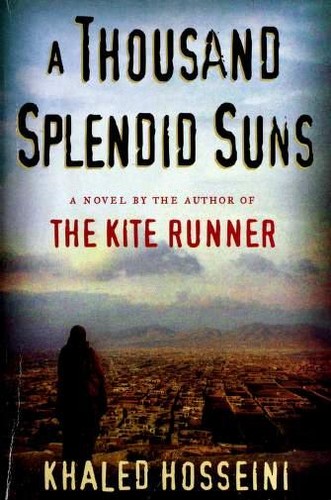
One could not count the moons that shimmer on her roofs, or the thousand splendid suns that hide behind her walls.
In Afghanistan, an illegitimate girl called a 'harami' is married off at fifteen to a brutal shoemaker three decades her senior. Years later, a bomb makes an orphan of the bright teenage girl next door, and the two women find themselves trapped under the same violent roof.
Spanning three decades of Afghan history from Soviet occupation through the Taliban, the novel follows Mariam and Laila, whose lives collide in shared suffering and slowly turn into fierce, redemptive love. Against a backdrop of war, oppression, and loss, it charts what women endure and sacrifice for one another. It is an intimate epic of female resilience.
Khaled Hosseini published A Thousand Splendid Suns in 2007, following the enormous success of The Kite Runner. It became a number-one New York Times bestseller. The title comes from a seventeenth-century poem about Kabul by Saib-e-Tabrizi, which Hosseini encountered while researching the city's history.
The slow thaw between Mariam and Laila shows how solidarity between women becomes a form of resistance.
Decades of upheaval are felt through one household, making distant conflict painfully personal.
What awaits is a portrait of sacrifice that is heartbreaking without ever feeling manipulative.
Even in the darkest passages, the book insists on small, stubborn seeds of a better future.
Mariam, dismissed as a 'harami,' being married off to the older shoemaker Rasheed and taken from her mountain village to Kabul.
The wary first alliance between Mariam and the young Laila hardening into loyalty under Rasheed's escalating abuse.
I sobbed. Hosseini writes women's endurance like no one else.