Harper Ellison★ Sage · Lv 7
todayThe final section reframes the entire novel and left me sitting in silence. McEwan is merciless and brilliant.
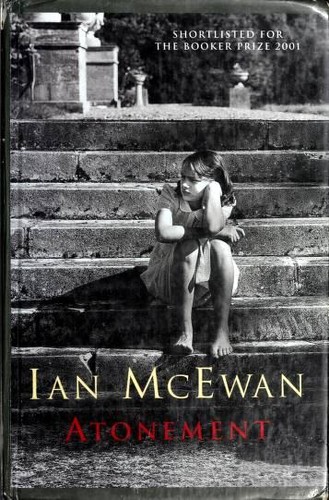
by Ian McEwan
How can a novelist achieve atonement when, with her absolute power of deciding outcomes, she is also God?
On a sweltering 1935 summer day, a thirteen-year-old girl with a novelist's imagination witnesses something she does not understand, tells a lie, and shatters three lives.
McEwan traces a single childhood accusation across decades, through wartime France and a London hospital, examining how one misreading can become an unpayable debt. It is a novel about guilt, the seductions of storytelling, and whether fiction can ever make amends for what fiction destroyed.
Published in 2001, Atonement was shortlisted for the Booker Prize and is widely considered McEwan's masterpiece. It was adapted into an Academy Award-nominated 2007 film and appears on numerous lists of the greatest novels of its era.
What awaits is a study of how imagination fills the gaps in what we see, and how confidently we mistake invention for truth.
Briony's error follows her from privileged girlhood into wartime nursing and old age, never fully absolved.
The Dunkirk retreat sequence turns a personal tragedy into part of a larger historical catastrophe.
The final section reframes the novel itself, asking what a writer owes the people she has fictionalized.
The scene at the fountain, misread by Briony from a distant window, that sets the entire tragedy in motion.
Robbie's agonized march to Dunkirk across the wreckage of the retreating British army.
The final section reframes the entire novel and left me sitting in silence. McEwan is merciless and brilliant.