Dana Reyes★ Contributor · Lv 4
todayReads like a thriller and it's all true. I finished it in two sittings.
The way Theranos was operating was a serious threat to patient safety.
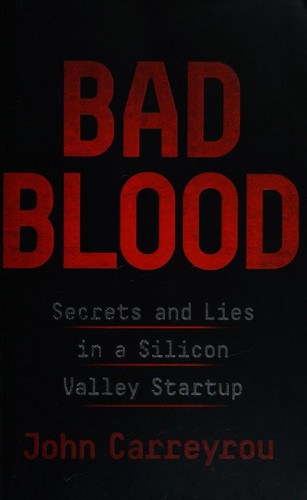
Theranos promised to run hundreds of medical tests from a single drop of blood, and its young founder became Silicon Valley's brightest star. There was only one problem: the technology did not work, and people's health was on the line.
Carreyrou, the Wall Street Journal reporter who broke the story, reconstructs the rise and fall of Theranos and its founder Elizabeth Holmes. It is a gripping case study in how charisma, secrecy, and fear can sustain a multibillion-dollar fraud, and how hard it is to stop one once powerful people are invested.
John Carreyrou's reporting exposed Theranos in 2015; his 2018 book Bad Blood won the Financial Times and McKinsey Business Book of the Year Award and became a bestseller. It drew on interviews with dozens of former employees and helped drive the fraud prosecution that later convicted Holmes.
You learn where Silicon Valley's vision-first ethos becomes outright fraud, and why medicine leaves no room for it.
Theranos used compartmentalization, NDAs, and legal threats to keep insiders from comparing notes, a takeaway on how cover-ups hold.
Holmes's Steve Jobs persona shows how narrative and image can override due diligence even among sophisticated investors.
The book documents the personal price paid by employees who spoke up, illuminating why fraud persists.
The intimidation of whistleblower Tyler Shultz, grandson of board member George Shultz, who was pressured and surveilled after raising concerns.
The failed live demonstrations where the Edison devices produced wildly unreliable results, even as Theranos ran real patient tests on them.
Reads like a thriller and it's all true. I finished it in two sittings.