Naila Karim★ Scout · Lv 6
todayReader, she survived them all. Fiercer than its reputation suggests.
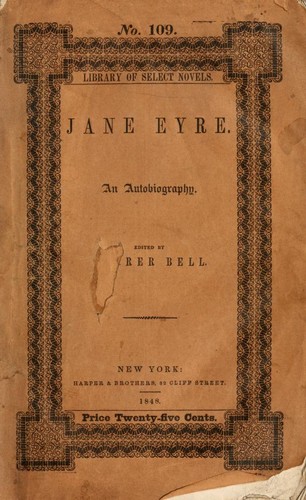
I am no bird; and no net ensnares me: I am a free human being with an independent will.
An orphan with no money, no beauty, and no family walks into a gothic mansion as a governess — and negotiates with its brooding master as his moral equal, because she is. Then she finds out what's living in the attic. The Victorian novel with the most modern spine.
Jane's autobiography moves through five prisons — abusive aunt, killing boarding school, Thornfield's secrets, a proposal that would erase her, another that would sanctify erasing her — and out of each she walks with the same weapon: an absolute refusal to be owned, by cruelty or by love. Brontë's radical move was interiority itself: a poor plain woman addressing the reader directly, demanding recognition as 'a free human being with an independent will.' The romance is great; the self-respect is the revolution.
Charlotte Brontë published it in 1847 as 'Currer Bell,' a name chosen to dodge the condescension aimed at women writers; the book was an immediate sensation and its authorship the great literary mystery of the decade. The killing school, Lowood, is her own Cowan Bridge, where two of her sisters caught the tuberculosis that killed them — the rage in those chapters is documentary.
Jane accepts Rochester only after speaking to him 'as if both had passed through the grave' — spirit to spirit, equal to equal. The scene rewired what a love story could demand.
Bertha Mason — Rochester's hidden Creole wife — is the book's dark double and the price of its romance; her chapters launched a whole school of criticism and a great counter-novel (Wide Sargasso Sea).
The novel's true peak isn't the wedding; it's Jane, penniless, walking away from the man she loves rather than live as his mistress — self-respect priced above survival.
Rochester offers passion that would consume her; St. John offers holiness that would bury her. The book's structure is Jane pricing each and refusing both until the terms change.
The red-room: ten-year-old Jane locked in the chamber where her uncle died, panicking into a fit while the household ignores her — childhood powerlessness rendered so vividly it fuels every refusal she makes for the rest of the book.
The chestnut tree Rochester proposes under is split by lightning that same night — the Victorian novel's least subtle and most satisfying omen, paid off by a marriage license already in existence.
Reader, she survived them all. Fiercer than its reputation suggests.