Theo Bennett★ Reader · Lv 2
todayNothing else sounds like it. A chorus of the dead, and grief made almost bearable by strangeness.
His mind was freshly inclined toward sorrow; toward the fact that the world was full of sorrow; that everyone labored under some burden of sorrow.
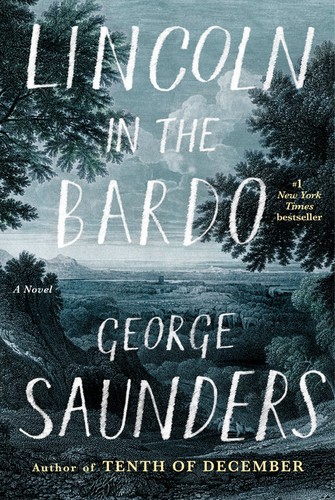
In 1862, Abraham Lincoln's beloved eleven-year-old son dies, and the grieving president visits the crypt at night to hold the boy's body, watched by a chorus of the restless dead who refuse to admit they have passed.
Saunders sets his novel in a single graveyard night, in the Tibetan-inspired bardo between life and rebirth, where ghosts narrate in a polyphonic clamor of voices. It is a formally daring meditation on grief, mortality, and the reluctance of the dead and the living alike to let go.
The 2017 debut novel from acclaimed short-story writer George Saunders won the Booker Prize that year. It is built partly from real and invented historical fragments about the death of Willie Lincoln.
What awaits is a purgatorial realm where spirits cling to unfinished lives, denying they are dead.
The story is told through hundreds of fragmentary monologues that build a whole world from many mouths.
Lincoln's private mourning becomes a portrait of universal, unbearable loss.
The dead must accept their passing, mirroring the living who cannot release the ones they love.
Lincoln entering the crypt at night to cradle Willie's body, a scene the ghosts watch in astonishment.
The ghosts' collective effort to help Willie's spirit move on before he is trapped forever.
Nothing else sounds like it. A chorus of the dead, and grief made almost bearable by strangeness.