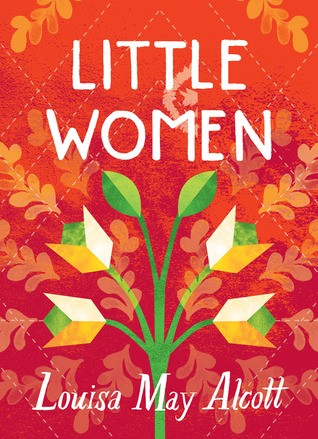
Little Women
I am not afraid of storms, for I am learning how to sail my ship.
Why read it
Four sisters in genteel poverty — one vain, one shy, one ambitious, one furious at every corset society hands her — grow up during the Civil War while their father serves as a chaplain. Alcott wrote it in ten weeks for money. It has decided what girlhood looks like for 150 years.
Meg wants respectability, Beth wants home, Amy wants the world's polish, and Jo — Alcott's self-portrait — wants to write, rage, and never marry. The novel's warmth (theatricals, pickled limes, burnt manuscripts) coexists with real stakes: poverty, scarlet fever, a woman's ambition priced against every available future. Its endurance comes from the argument inside it — Alcott wanted Jo unmarried; readers demanded weddings; the compromise (Professor Bhaer, not Laurie) has kept every generation arguing about what Jo was owed.
Alcott — abolitionist's daughter, Civil War nurse, pulp-thriller hack under pseudonyms — wrote it reluctantly at her publisher's request for 'a girls' book,' basing the Marches on her own sisters and their poverty under a improvident transcendentalist father. It sold out instantly; she wrote Part Two in response to mail demanding to know whom the girls married, grumbling in her journal that she wouldn't marry Jo to Laurie 'to please anyone.'
- 01
Jo's refusal
Turning down Laurie — rich, beautiful, devoted, wrong — remains the most argued-about 'no' in American fiction, and the book's real statement about what women's stories could refuse.
- 02
Beth's chapters
The quiet sister's decline taught generations what grief feels like in advance; Alcott wrote it from her own sister Lizzie's death, and the restraint is why it devastates.
- 03
Poverty with dignity
The Marches' genteel scraping — one dress, borrowed gloves, Christmas breakfast given away — grounds the warmth in real economics; the book never pretends love pays rent.
- 04
Amy's rehabilitation
The limes, the burnt manuscript, the trip to Europe Jo deserved — Amy is the sister readers loved to hate until adaptations and rereads revealed Alcott's joke: Amy is the one who gets exactly what she aims at.
Amy burns Jo's manuscript — years of work — in revenge for a missed theater trip, and Jo nearly lets her drown at the skating pond the next day. The book's most shocking sequence: sisterhood with the safety off, then the hard grind of actual forgiveness.
Jo sells her hair — 'her one beauty' — for money to send Marmee to their father's sickbed, jokes through dinner, then cries at night: 'It's my hair.' Sacrifice and vanity, both honored, in one small masterpiece of a scene.