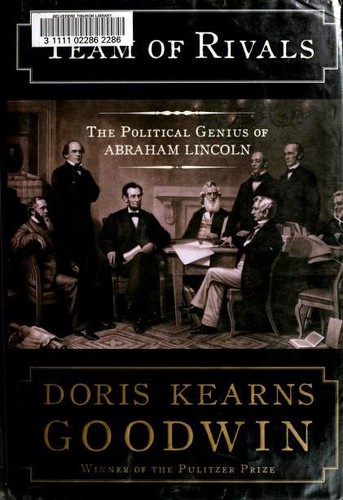
Team of Rivals
With malice toward none, with charity for all.
Why read it
The lanky, self-taught prairie lawyer who won the presidency then did the unthinkable, filling his cabinet with the very men who had fought him for the job and thought themselves his betters.
Goodwin tells the story of Lincoln's political genius through his decision to appoint his chief rivals to his cabinet and bend their talents to saving the Union. The book argues that Lincoln's emotional intelligence, patience, and generosity of spirit were the very skills that made him a great leader in a shattered nation.
Goodwin, a Pulitzer-winning historian, published the book in 2005 after roughly a decade of research into Lincoln and his cabinet. It informed Steven Spielberg's film Lincoln and was widely read by political leaders as a study in leadership.
- 01
Leadership through magnanimity
Lincoln's willingness to forgive slights and share credit turned rivals into allies.
- 02
Emotional intelligence
His ability to read and manage difficult men was his decisive political gift.
- 03
Rivals as assets
Seward, Chase, and Bates each brought strengths Lincoln harnessed rather than feared.
- 04
Timing and patience
Lincoln's sense of when to act, as with emancipation, reveals strategic restraint.
Secretary of State William Seward, who expected to run the government himself, gradually becomes Lincoln's closest ally and admirer.
Lincoln repeatedly tolerates Treasury Secretary Salmon Chase's maneuvering for the presidency, keeping his talents in service to the Union.