Theo Bennett★ Reader · Lv 2
todayInfuriating and brilliant in equal measure. It rewired how I think about risk.
The inability to predict outliers implies the inability to predict the course of history.
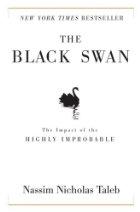
For centuries Europeans knew, with total certainty, that all swans were white, right up until explorers reached Australia and found black ones. A single sighting undid millennia of confidence, and that, Nassim Taleb argues, is exactly how the world actually works.
Taleb defines a Black Swan as a rare, high-impact event that is unpredictable in advance yet made to seem obvious in hindsight, and argues that such events, not the predictable ones, shape history, markets, and our lives. Our models, forecasts, and stories systematically blind us to them. It is a provocative attack on our illusion of prediction and a guide to living with radical uncertainty.
Nassim Nicholas Taleb, a former options trader turned scholar of uncertainty, published The Black Swan in 2007 as part of his multi-volume Incerto. It became a massive bestseller, and its warnings about hidden fragility looked prophetic when the financial crisis struck the following year. It is frequently listed among the most influential books of its era.
The takeaway is that a few unpredictable events matter more than everything predictable combined.
Past data can lull you into false confidence, right up to the moment it fails catastrophically.
We invent tidy explanations after the fact, fooling ourselves into thinking we could have known.
Since you cannot forecast Black Swans, build systems that survive, and even benefit from, shocks.
The Thanksgiving turkey, fed and cared for every single day, growing ever more confident of its safety, right up until the afternoon before the holiday.
The casino whose largest losses came not from gamblers but from unforeseeable events, a performer mauled by a tiger, a disgruntled contractor, an unfiled tax form.
Infuriating and brilliant in equal measure. It rewired how I think about risk.