The Lion, the Witch and the Wardrobe
by C.S. Lewis
Wrong will be right, when Aslan comes in sight.
Why read it
Four children evacuated to a rambling country house during the war discover that the back of an old wardrobe opens onto a snowy wood, a whole world called Narnia, held in endless winter by a White Witch, and waiting for a lion named Aslan to return.
Lewis's beloved fantasy sends the Pevensie children into Narnia, where the youngest is tempted, one betrays the others, and all must play their part in breaking the Witch's spell. Beneath the talking beasts and Turkish Delight runs a story of temptation, sacrifice, and resurrection, an allegory Lewis wove from his Christian faith into an adventure children have loved for generations.
Published in 1950 as the first Chronicles of Narnia book, written by the Oxford scholar and Christian apologist C.S. Lewis, a close friend of J.R.R. Tolkien. Lewis said it began with a mental image of a faun carrying parcels in a snowy wood. The seven-book series has sold well over 100 million copies worldwide.
- 01
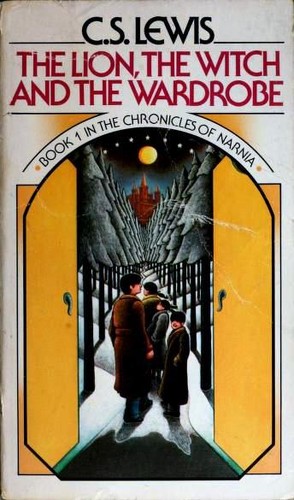
The wardrobe
The ordinary piece of furniture as a doorway to another world is one of fantasy's most enduring images.
- 02
Edmund's betrayal
The middle brother's seduction by the Witch's enchanted sweets drives the story's moral crisis.
- 03
Aslan's sacrifice
The great lion's willing death and return on the Stone Table is the book's allegorical heart.
- 04
Deep Magic
The ancient law the Witch invokes, and the deeper law that overturns it, structures the whole moral universe.
Lucy's first step through the fur coats into the lamplit snow, meeting Mr. Tumnus the faun, is the doorway scene that has enchanted readers for seventy years.
Aslan submitting to the Witch's knife on the Stone Table, mocked and bound, then rising with the table cracked behind him, is the story's solemn climax.