
Naila Karim★ Scout · Lv 6
todayA thousand pages about building a cathedral and I never wanted it to end.
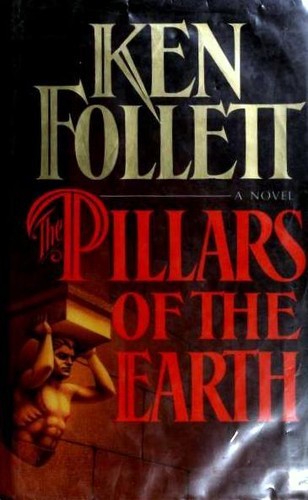
by Ken Follett
The small boys came early to the hanging.
In twelfth-century England, torn by civil war and famine, a poor master builder dreams of raising a cathedral, and that single obsession pulls a monk, a fallen noblewoman, and a brutal lord into decades of ambition, revenge, and love.
Across a sprawling saga set in the fictional town of Kingsbridge, Ken Follett follows the building of a Gothic cathedral as the axis around which lives turn. Prior Philip's vision, Tom Builder's craft, and the schemes of church and crown collide through a period of anarchy. It is a doorstop of historical fiction that makes medieval construction as gripping as any battle.
Ken Follett, known for thrillers, published The Pillars of the Earth in 1989 as a passion project about cathedral building. Initially a modest performer, it grew into his best-loved book, sold over 27 million copies, and was adapted into a 2010 miniseries.
What awaits is a story where a building's rise and ruin drives decades of human drama.
Follett turns vaults, buttresses, and stone into genuine narrative tension.
Idealists and monsters fight for a town across an era of lawlessness.
Choices made early echo through children and rivals for the rest of the saga.
The collapse of the newly built church roof during a service, a disaster that reshapes the fortunes of everyone tied to the cathedral.
Aliena's fall from noble daughter to penniless outcast, and her fierce climb back through the wool trade to fund the work.
A thousand pages about building a cathedral and I never wanted it to end.