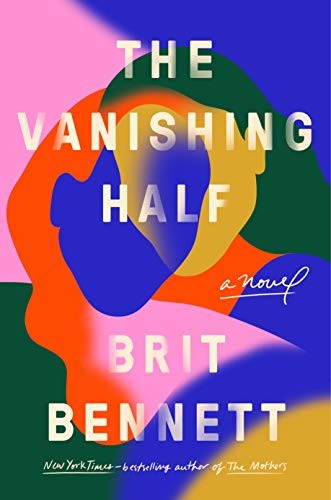
The Vanishing Half
by Brit Bennett
You can escape a town, but you cannot escape blood.
Why read it
Identical twin sisters grow up in a tiny Louisiana town so obsessed with light skin that it breeds its residents ever paler. At sixteen they run away together, and then one twin quietly disappears into a new life as a white woman, cutting off everyone she has ever known.
Desiree returns home years later with a dark-skinned daughter, while Stella lives a guarded white existence with a daughter who knows nothing of her past. As the twins' separate lives and their daughters' paths eventually intersect, the novel probes identity, colorism, and the price of the selves we invent. It is a generation-spanning story about who we choose to become.
Brit Bennett published The Vanishing Half in 2020. It debuted at number one on the New York Times bestseller list, was longlisted for the National Book Award, and won the Goodreads Choice Award for historical fiction. HBO acquired the television adaptation rights in a competitive bidding war before the book was even released.
- 01
The cost of passing
Stella's white life exposes how self-invention demands constant fear and the amputation of one's history.
- 02
Colorism up close
The town of Mallard makes the internalized hierarchy of skin tone painfully, specifically real.
- 03
Twinned fates
What awaits is the mirror-play of two lives and two daughters, diverging and circling back.
- 04
Identity as choice
From race to gender to name, the book asks how much of who we are is invented and defended.
Stella Vignes slipping permanently into a white identity and vanishing from her twin's life without a word.
Desiree returning to Mallard with her dark-skinned daughter Jude, whom the light-obsessed town regards as an outsider.