
Naila Karim★ Scout · Lv 6
todayEight generations, each chapter a gut-punch. An astonishing debut.
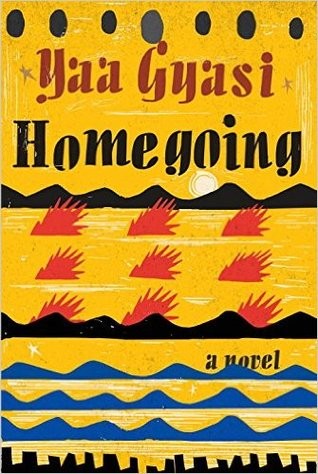
by Yaa Gyasi
We believe the one who has power. He is the one who gets to write the story. So when you study history, you must ask yourself, Whose story am I missing?
In eighteenth-century Ghana, two half-sisters who never meet are set on opposite fates: one marries a British slave trader and lives in the airy comfort of the Cape Coast Castle; the other is captured and held in the dungeon far beneath her, waiting to be shipped across the ocean.
From that split, the novel traces eight generations, alternating between the descendants who remain in Ghana and those enslaved in America, one chapter per life. Slavery, colonialism, migration, and racism ripple down both bloodlines across three centuries. It is an ambitious family saga that turns the vast history of the African diaspora into a chain of intimate human stories.
Homegoing was Yaa Gyasi's debut novel, published in 2016 when she was in her mid-twenties. It won the National Book Critics Circle's John Leonard Prize and the PEN/Hemingway Award for a first book. Gyasi conceived it after a visit to the Cape Coast Castle in Ghana, where enslaved people were held below and traders lived above.
The parallel lineages let you feel the same historical forces play out on both sides of the Atlantic.
Trauma, resilience, and silence are handed down like heirlooms, shaping descendants who never learn why.
What awaits is a chain of self-contained portraits, each so complete it could stand alone.
The book keeps asking who gets to record history and whose voices are erased from it.
Effia living as a British governor's wife in the upper rooms of the Cape Coast Castle, unaware her half-sister Esi is chained in the slave dungeon directly below.
The black stone pendant passed down through the generations, a fragile thread linking descendants who no longer know one another.
Eight generations, each chapter a gut-punch. An astonishing debut.