Theo Bennett★ Reader · Lv 2
todayYes it's long. It's also the most alive book I've ever read. Worth every day.
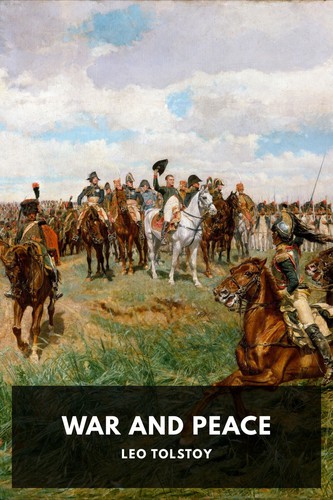
by Leo Tolstoy
We can know only that we know nothing. And that is the highest degree of human wisdom.
As Napoleon's armies march on Russia, a handful of aristocratic families love, blunder, and search for meaning while history swallows them whole. War and peace are not opposites here but the same river of life.
Tolstoy weaves the fortunes of the Bezukhovs, Bolkonskys, and Rostovs through the Napoleonic Wars, asking what forces actually move history and how a person should live in the face of death. It braids intimate domestic drama with vast battlefields and bold philosophical argument. The answer it circles is that ordinary life, not great men, carries meaning.
Leo Tolstoy published War and Peace in installments and then complete form between 1865 and 1869. He researched the 1812 campaign extensively and reworked the manuscript many times with his wife Sofia's help. Tolstoy himself resisted calling it a novel, seeing it as something larger and freer in form.
Tolstoy dismantles the great-man theory, arguing that events emerge from countless small human acts.
Pierre's stumbling philosophical quest models how a person gropes toward a life worth living.
Natasha's arc shows love tested, broken, and rebuilt into something deeper than romance.
The novel keeps insisting that plain living and family outweigh grand ideas and glory.
Prince Andrei lying wounded at Austerlitz, gazing up at the vast, indifferent sky and suddenly seeing the smallness of Napoleon and glory.
Natasha Rostova's first grand ball, where her radiant excitement and Andrei's attention capture youth on the edge of adult life.
Yes it's long. It's also the most alive book I've ever read. Worth every day.