
The books everyone pretends to have read (and how to actually read them)
Theo Margins · 8 min read
There's a particular nod people do when the big classics come up — the nod that says 'of course, magnificent book' and hopes nobody asks a follow-up question. Here's the secret: the books behind that nod are more readable than their reputations, provided you know how each one wants to be read.
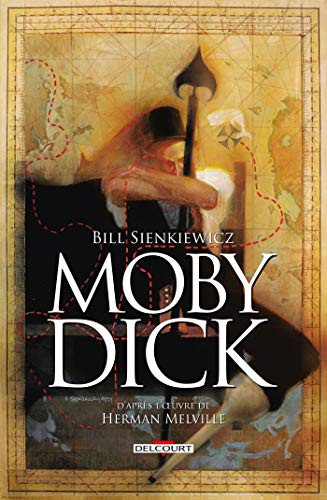
Moby-Dick is the most misunderstood of the lot. Yes, there are chapters about rope. The trick is to stop treating them as obstacles between plot points — the digressions are the voyage, and the first hundred pages are nearly a comedy. Read it loose, skip nothing, and let the rhythm carry you; Ahab arrives soon enough.
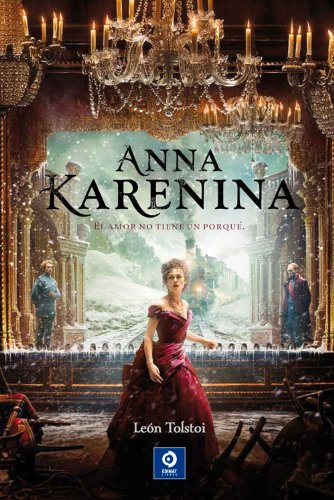
Don Quixote asks the opposite: don't brace for a monument, expect a road comedy. In Edith Grossman's translation it's genuinely funny on nearly every page, and the melancholy sneaks up on you precisely because you were laughing. Anna Karenina, meanwhile, is structurally a soap opera executed by the greatest psychologist who ever wrote fiction — short chapters, four households, constant motion. People finish it faster than books half its size.
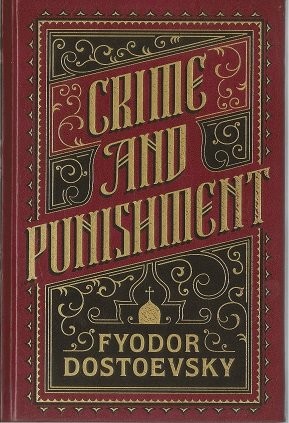
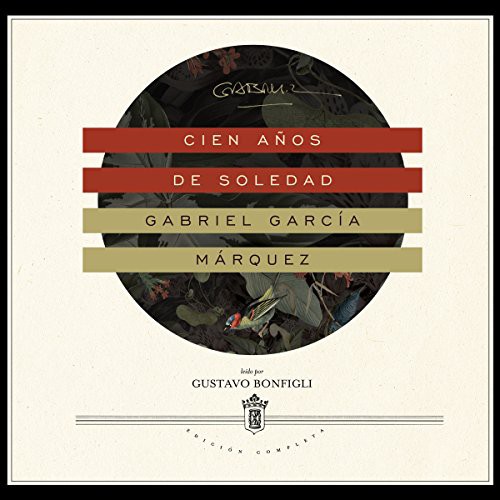
One Hundred Years of Solitude has exactly one hard requirement: use the family tree printed in the front. The repeating names are the point — history circling — but you're allowed a map. And Crime and Punishment simply needs permission to be what it is: a psychological thriller. Read it like one. The interrogation chapters will out-tense any modern procedural.
None of these books need you to be smarter. They need you to stop reading them the way school taught you — as tests to pass rather than voyages to take. Pick one, give it fifty pages of honest attention, and the nod becomes real.