The money shelf that's actually worth reading
Miles Okafor · 7 min read
Money books outsell almost everything and deliver almost nothing — the genre runs on promises. But a handful have survived every market cycle since their publication, and they survive because they're really about behavior, not tickers.
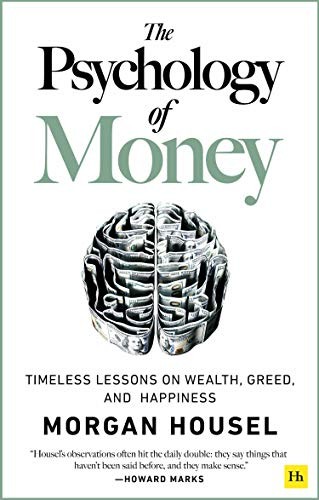
If you read one, read Morgan Housel's The Psychology of Money. Twenty short chapters, each a conversation you wish someone had with you at 22 — on luck, envy, compounding, and why doing well with money has little to do with how smart you are. It's the rare finance book with no formulas and no expiry date.
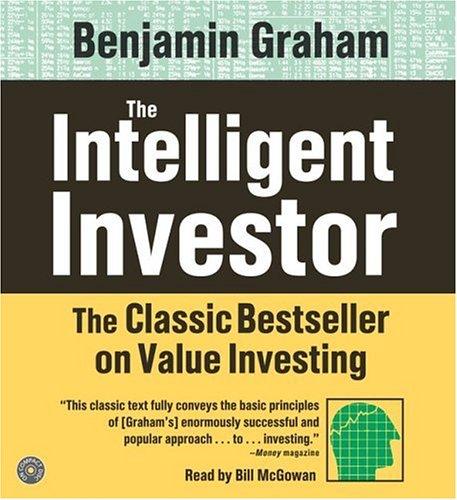
The foundation underneath it is Benjamin Graham's The Intelligent Investor — the 1949 classic Warren Buffett calls the best investing book ever written. You don't need all of it: chapters 8 and 20 (Mr. Market and the margin of safety) contain the entire operating system. Everything else in finance is commentary on those forty pages.
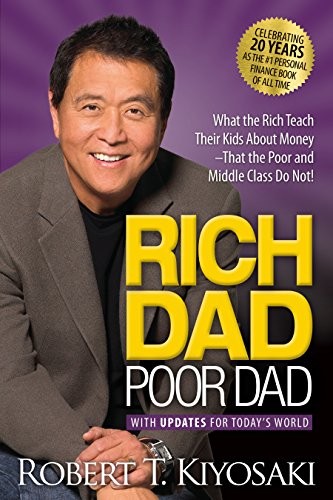
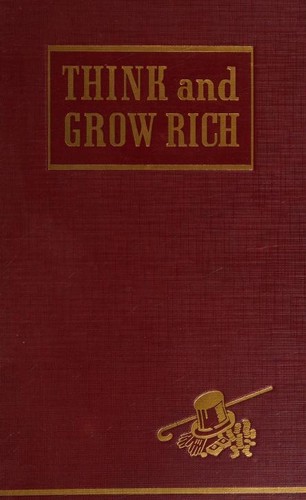
Then there are the two lightning rods. Rich Dad Poor Dad is long on parable and short on verifiable specifics — and its asset-versus-liability reframe has still rewired more households than any textbook. Think and Grow Rich is older, stranger, and completely unverifiable — and it founded the entire success-literature genre. Read both as what they are: mindset books wearing finance costumes, valuable for the frame, not the facts.
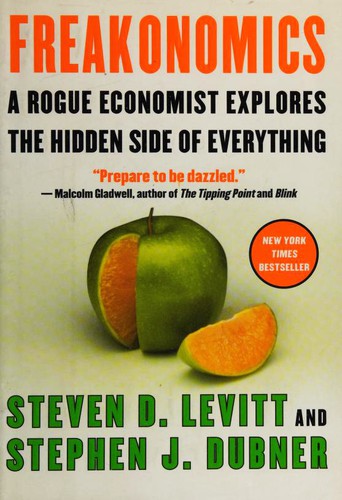
Round it out with Freakonomics, which isn't a money book at all — it's a book about incentives, which is to say, about why every money decision you make happens the way it does. Five books, one shelf, and you'll out-read most financial advisors.