Naila Karim★ Scout · Lv 6
todayFunny, furious, and wise about race and belonging. Adichie sees everything.
Racism should never have happened and so you don't get a cookie for reducing it.
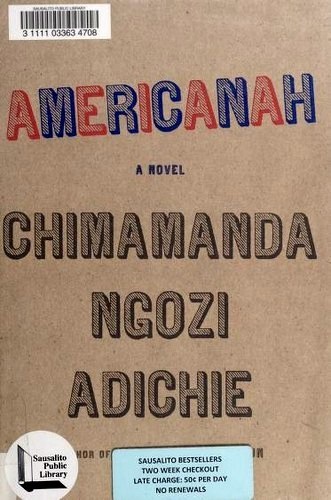
Ifemelu leaves Nigeria for America and discovers she has become, for the first time, black, a label the country hands her along with a thousand new rules. Years later, successful but restless, she decides to go home, and back to the man she never stopped loving.
Adichie's sweeping novel follows two Nigerians across three continents to examine race, identity, and belonging with sharp, funny candor. Through Ifemelu's blog on being a non-American black in America, and her enduring love for Obinze, the book maps how migration reshapes who we are and where we call home.
Chimamanda Ngozi Adichie published Americanah in 2013; it won the U.S. National Book Critics Circle Award for Fiction and was named one of the New York Times' best books of the year. Adichie drew on her own experience moving between Nigeria and the United States, and the novel has been widely taught and optioned for adaptation.
You gain an insider-outsider view of American race, seen freshly by someone who only learns its rules on arrival.
Ifemelu's posts dissect race, hair, and class with a directness that becomes the novel's sharpest running commentary.
What awaits is a nuanced portrait of return migration and the disorientation of finding home changed and yourself changed too.
Ifemelu and Obinze's parallel journeys ask whether a first love can survive years, continents, and reinvention.
Ifemelu's decision to stop chemically straightening her hair and wear it natural, a personal turning point the novel treats as quietly political.
Obinze's precarious, undocumented existence in London, culminating in a sham marriage attempt and his deportation back to Nigeria.
Funny, furious, and wise about race and belonging. Adichie sees everything.