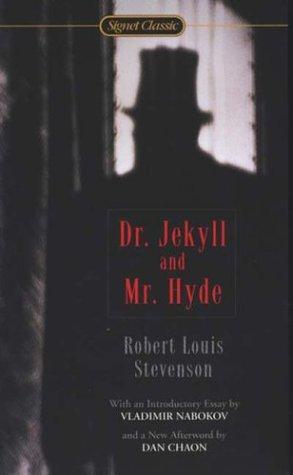
Strange Case of Dr Jekyll and Mr Hyde
man is not truly one, but truly two.
Why read it
A respectable London lawyer grows uneasy about his friend, a distinguished doctor, and the sinister, deformed young man who seems to have a hold over him, a man witnesses have seen trample a child and who inspires disgust in everyone he meets.
Investigating the strange bond between the esteemed Dr. Henry Jekyll and the loathsome Mr. Edward Hyde, Mr. Utterson uncovers a horror at the heart of human nature. Jekyll's experiment to separate the good and evil in himself has unleashed a second self with no conscience, and the novella dramatizes the terrifying discovery that the monster and the man are one.
Robert Louis Stevenson wrote Strange Case of Dr Jekyll and Mr Hyde in a matter of weeks in 1885, reportedly inspired by a dream, and published it in 1886. It was an immediate popular and critical success, its central names entering the language as shorthand for a split nature, and it has been adapted for stage and screen countless times.
- 01
The divided self
What awaits is the archetypal idea that one person can house two natures, respectable and monstrous, in a single body.
- 02
A mystery unwound
Utterson's investigation withholds the truth, building dread until the final confession reframes everything.
- 03
Repression and release
Hyde embodies the appetites Victorian respectability demanded be hidden, and the cost of caging them.
- 04
The final confession
Jekyll's own written statement lays bare the experiment, the addiction to transformation, and the loss of control.
The opening account of Hyde calmly trampling a young girl in the street and coldly paying off her family.
Dr. Lanyon's testimony describing the night he watched Hyde drink the potion and transform back into Jekyll before his eyes.