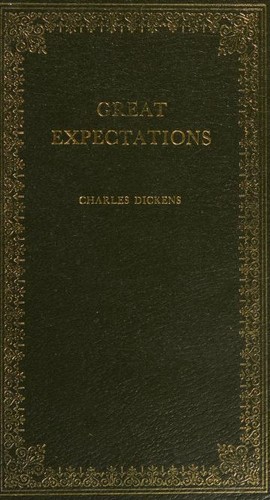
Great Expectations
That was a memorable day to me, for it made great changes in me. But it is the same with any life.
Why read it
An orphan boy meets an escaped convict in a graveyard, and is later summoned to a decaying mansion by a woman frozen in her wedding dress. A mysterious fortune then lifts him into a gentleman's life he never earned.
Great Expectations follows Pip from a blacksmith's forge to London society, as he learns that money and status corrode as easily as they elevate. Dickens builds a moral education about gratitude, snobbery, and the true sources of self-worth, threaded through one of literature's most intricate plots. Every kindness and cruelty circles back with unexpected consequences.
Charles Dickens published Great Expectations serially in his magazine All the Year Round from 1860 to 1861. He famously wrote two endings, softening the original bleaker close at a friend's urging. It is often regarded as his most tightly constructed and personally reflective novel.
- 01
The lie of gentility
Learn with Pip that becoming a gentleman by money alone hollows out the person he was.
- 02
Hidden benefactors
The source of Pip's fortune overturns everything he assumed about who deserves gratitude.
- 03
Frozen by the past
Miss Havisham shows what happens when a single wound is nursed into a lifelong prison.
- 04
Redemption through humility
The book's warmth lies in ordinary loyalty finally recognized for its true worth.
The opening churchyard scene, where the convict Magwitch seizes Pip among the gravestones and demands food and a file.
Pip's first visit to Satis House, where Miss Havisham sits in her yellowed bridal gown amid stopped clocks and a rotting wedding feast.