Theo Bennett★ Reader · Lv 2
todayAll modern American literature comes from this one book, Hemingway said. He wasn't wrong.
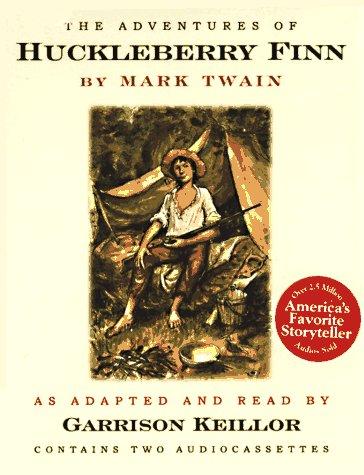
by Mark Twain
All right, then, I'll go to hell.
A runaway boy and an escaped slave push a raft into the Mississippi current, and everything the boy has been taught about right and wrong starts coming apart in his hands.
Twain follows Huck Finn as he drifts down the river with Jim, a man fleeing slavery, and lets the friendship between them collide with the casual cruelty of the world onshore. The novel turns a boy's plain, uneducated voice into a weapon against hypocrisy, showing a conscience that has to fight the entire moral training of its society.
Twain worked on the book on and off for about eight years, publishing it in Britain in 1884 and the United States in 1885. It was banned by the Concord library almost immediately as 'trash,' and has been fought over ever since, even as it became a cornerstone of American literature.
The raft becomes a small floating world where Huck and Jim can be equals, in contrast to every shore they touch.
Huck decides he would rather 'go to hell' than betray Jim, dramatizing how a real moral sense can override an entire culture's rules.
Twain writes in Huck's own dialect, proving that ordinary American speech could carry a serious novel.
Feuding families, con men, and mobs expose the violence hiding under Southern gentility.
Huck tears up the letter that would return Jim to slavery, saying 'All right, then, I'll go to hell,' and chooses friendship over the law.
The Duke and the King, two drifting swindlers, stage a fake Shakespeare show and try to rob the Wilks orphans of their inheritance.
All modern American literature comes from this one book, Hemingway said. He wasn't wrong.