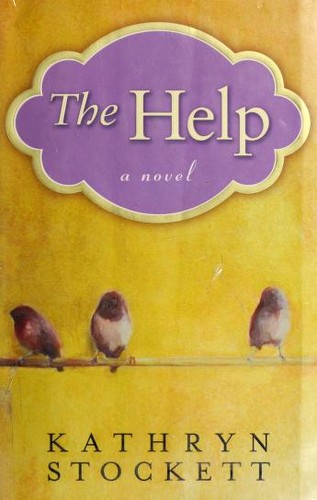
The Help
You is kind. You is smart. You is important.
Why read it
In 1960s Jackson, Mississippi, a young white woman decides to write a book from the point of view of the Black maids who raise white children and clean white homes, a project that could get everyone involved killed.
Skeeter, Aibileen, and Minny secretly collaborate on an anonymous collection of the maids' true stories, at enormous risk in a town governed by segregation and fear. Told in three alternating voices, the novel exposes the intimacies and injustices of domestic service in the Jim Crow South. It is a story about the danger and power of telling the truth about one's own life.
Kathryn Stockett wrote The Help over several years and was rejected by dozens of agents before its 2009 publication. It became a runaway bestseller, spending over 100 weeks on the New York Times list, and was adapted into an Oscar-winning 2011 film.
- 01
Stories as resistance
What awaits is the quiet, dangerous act of putting the truth of one's life on the page.
- 02
Three voices, one risk
Skeeter, Aibileen, and Minny each carry the narration and the peril in turn.
- 03
Intimacy and injustice
The novel sits in the contradiction of raising the children of the people who oppress you.
- 04
Fear as the enemy
In a town ruled by retaliation, simply speaking becomes an act of courage.
Aibileen repeating her affirmation to the neglected white child she cares for, teaching her worth the girl's own mother withholds.
Minny's 'Terrible Awful,' the chocolate pie she serves Hilly Holbrook as revenge, and the secret that keeps Hilly from exposing the maids' book.