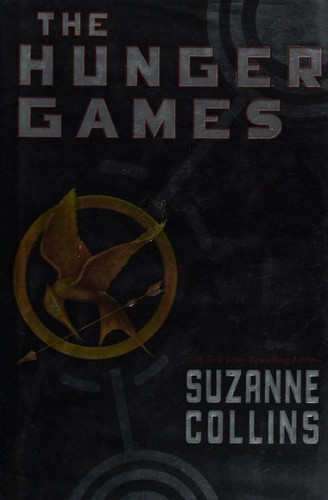
The Hunger Games
Hope. It is the only thing stronger than fear.
Why read it
Every year, the Capitol takes two children from each conquered district and televises them killing each other — entertainment as obedience training. When her little sister's name is drawn, Katniss Everdeen volunteers, and accidentally gives the audience something the format can't survive: someone real.
Panem is America after collapse: twelve districts mining and farming for a decadent Capitol that keeps them starving and separated. Katniss, who has fed her family by illegal hunting since she was eleven, understands the Games instantly — it's a show, and sponsors keep you alive. Collins's masterstroke is making survival and performance the same problem: every kiss, tear, and arrow is simultaneously genuine and staged, and Katniss can no longer tell which.
Collins, a children's TV writer and daughter of a Vietnam-veteran military historian, conceived the book channel-surfing between reality TV and Iraq War coverage until the two blurred. She built Panem on the myth of Theseus (tribute children fed to a labyrinth) and Roman gladiatorial games — panem et circenses, bread and circuses. 65 million copies later, 'tribute' and a three-finger salute have entered real protest movements.
- 01
The Games as media theory
Sponsors, edits, star-crossed-lovers angles — Katniss survives by learning to be televised, and the book quietly teaches you how all broadcast narrative is constructed.
- 02
Hunger is the politics
Before the arena, the book is about food: tesserae, squirrel trades, burnt bread. Collins grounds revolution in calories, not slogans.
- 03
The performed romance
Peeta's confession turns survival strategy; Katniss plays along for sponsors while the reader — like the Capitol — can't tell performance from feeling. No love triangle in YA works harder.
- 04
Small mercies as rebellion
Flowers on a dead girl, a district's bread gift, a salute — the book's insurgency begins as gestures of dignity the cameras weren't supposed to dwell on.
The reaping: Effie Trinket's chirpy 'may the odds be ever in your favor,' Prim's name in the bowl, and Katniss's scream of 'I volunteer!' — dystopian world-building compressed into one unbearable public ceremony.
Rue's death — the flowers, the song, District 11's bread — is the moment the Games stop being survivable television and become the thing the sequels burn down.