Banned, burned, and still on the syllabus: the books that refused to die
The Bookyol Editors · 7 min read
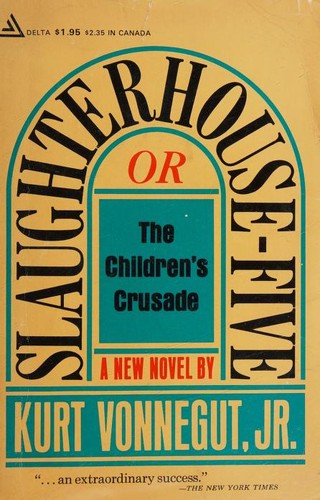
In 1973, a school board in Drake, North Dakota confiscated thirty-two copies of Slaughterhouse-Five and burned them in the school furnace. Kurt Vonnegut, who had survived the firebombing of Dresden to write it, sent the board a letter they never answered. The book, meanwhile, never went out of print. So it goes.
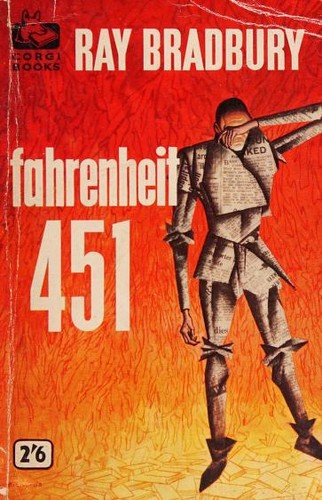
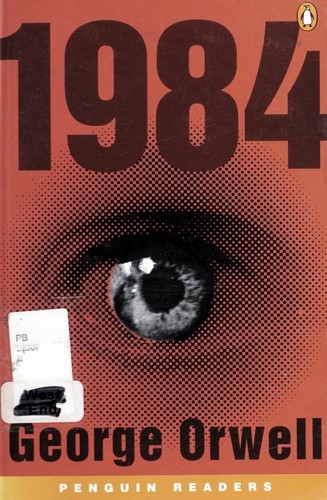
That's the pattern across every book on this list: the banning becomes a footnote in the book's biography, and the book becomes permanent. 1984 has been banned as pro-communist and as anti-communist — a distinction Orwell would have filed under doublethink. Fahrenheit 451, the novel about burning books, was quietly expurgated by its own publisher for school editions until Bradbury found out and raged it back into print.
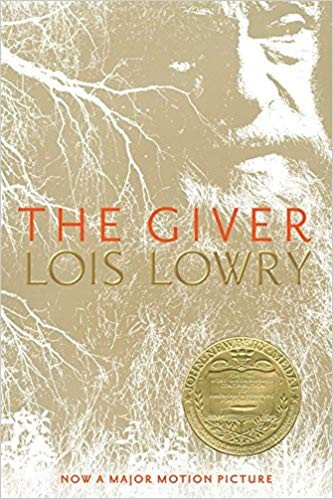
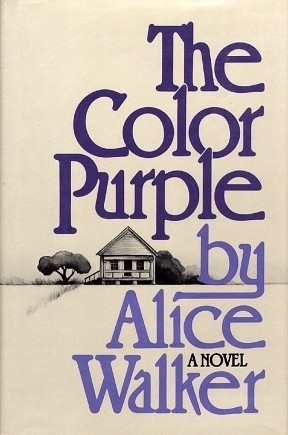
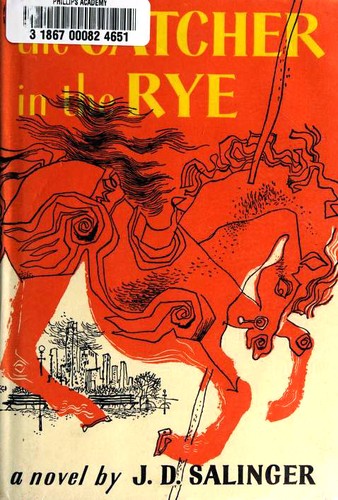
Some bans aim at politics; more aim at honesty. The Color Purple gets challenged for depicting exactly the violence and desire that make Celie's liberation mean something. The Catcher in the Rye spent decades as America's most banned and most taught book simultaneously — the two lists agreeing, at least, on which voices teenagers actually hear. The Giver gets pulled for showing children a euthanasia scene that is, precisely, the book's argument against looking away.
Here's what the challenge lists miss: banning a book is the strongest possible claim about its power. Nobody convenes a committee about a book that doesn't work. The books on this shelf have outlived their bans, their banners, and in several cases the countries that banned them — and they're all in our Banned & Beloved collection, unburned and open.