Seven works of nonfiction that changed the national conversation
The Bookyol Editors · 7 min read
A rare kind of nonfiction does more than inform, it reorganizes how a whole society thinks. These seven each moved the conversation, and in some cases the law.
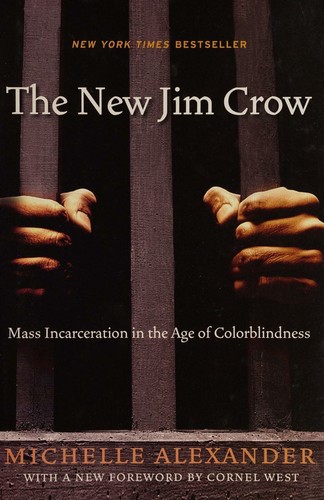
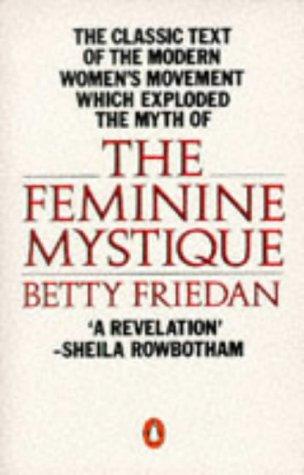
Betty Friedan's The Feminine Mystique named 'the problem that has no name' in 1963 and helped launch second-wave feminism. Michelle Alexander's The New Jim Crow reframed mass incarceration as a racial caste system and became a cornerstone of criminal-justice reform. Rachel Carson's Silent Spring, decades earlier, launched the environmental movement and led directly to the ban on DDT.
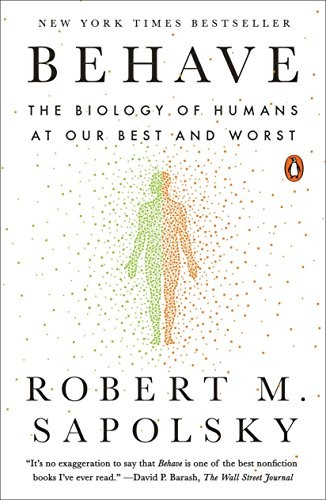
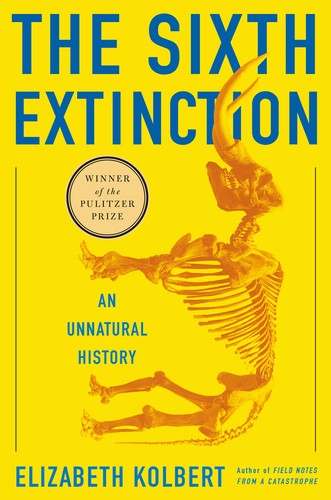
On the science side, Robert Sapolsky's Behave reorganizes how we understand why humans do anything at all, tracing a single act back through biology. Elizabeth Kolbert's The Sixth Extinction turned the biodiversity crisis into an urgent, Pulitzer-winning story.
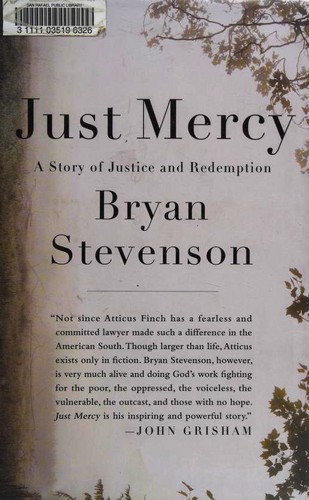
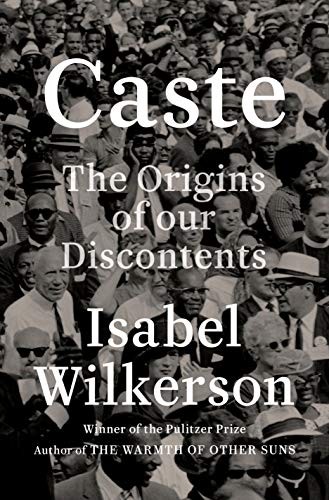
And on justice and race, Isabel Wilkerson's Caste offered a new lens on American hierarchy, while Bryan Stevenson's Just Mercy took readers inside death row and changed how many think about mercy itself. Read together, they're a reminder that a single book, argued clearly enough, can still bend the arc of a national argument.