Eight science fiction novels that saw the future coming
The Bookyol Editors · 7 min read
The best science fiction isn't about spaceships. It's about us, seen from a strange enough angle that we finally notice ourselves. Here are eight novels that imagined our present before it arrived.
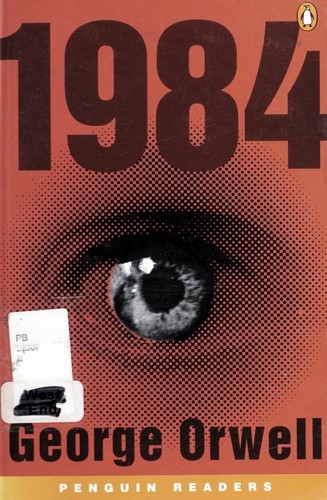
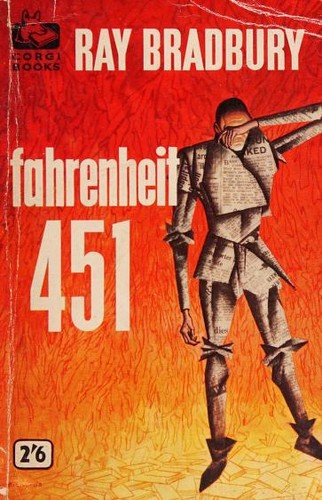
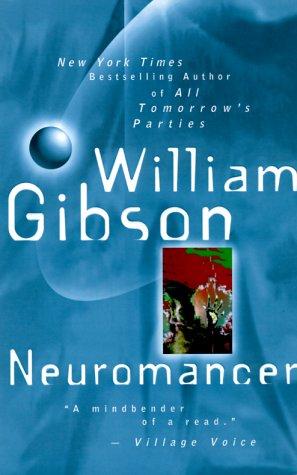
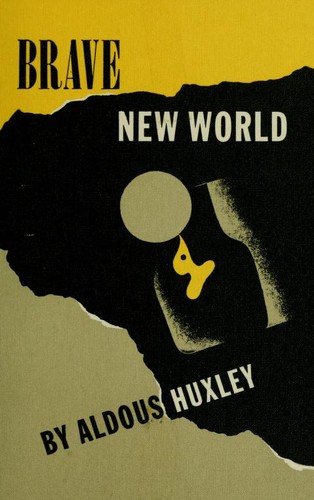
William Gibson's Neuromancer coined the word 'cyberspace' in 1984 and sketched the texture of a networked world no one had built yet. George Orwell's 1984 gave us the vocabulary of surveillance — Big Brother, doublethink, the memory hole — while Aldous Huxley's Brave New World bet, presciently, that we'd be controlled by pleasure rather than fear. Ray Bradbury's Fahrenheit 451 saw wall-sized screens and earbuds murmuring all day, and worried we'd stop reading on our own.
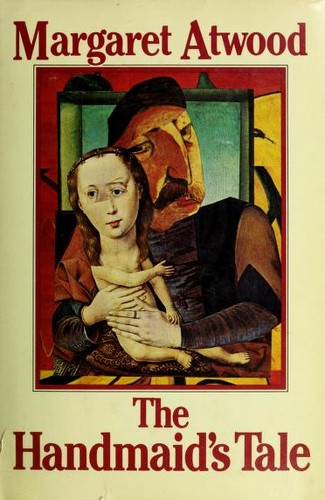
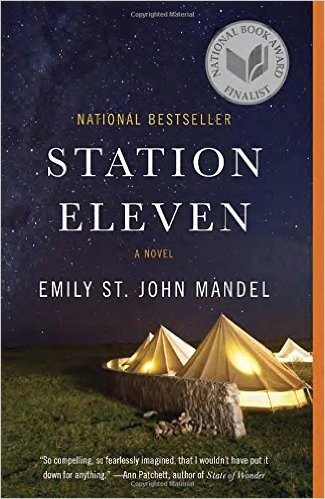
Emily St. John Mandel's Station Eleven imagined a civilization-ending pandemic and the fragile beauty of what survives it — and read very differently after 2020. Margaret Atwood's The Handmaid's Tale built its dystopia entirely from things that had already happened somewhere, to someone.
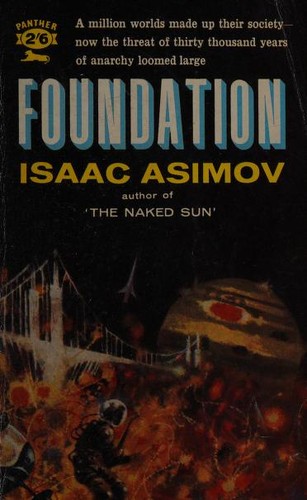
And two novels reach further: Isaac Asimov's Foundation imagined a mathematics of predicting whole civilizations, and Kazuo Ishiguro's Never Let Me Go quietly asked what we owe the beings we engineer. Read together, they're less predictions than warnings — and we're living inside several of them.